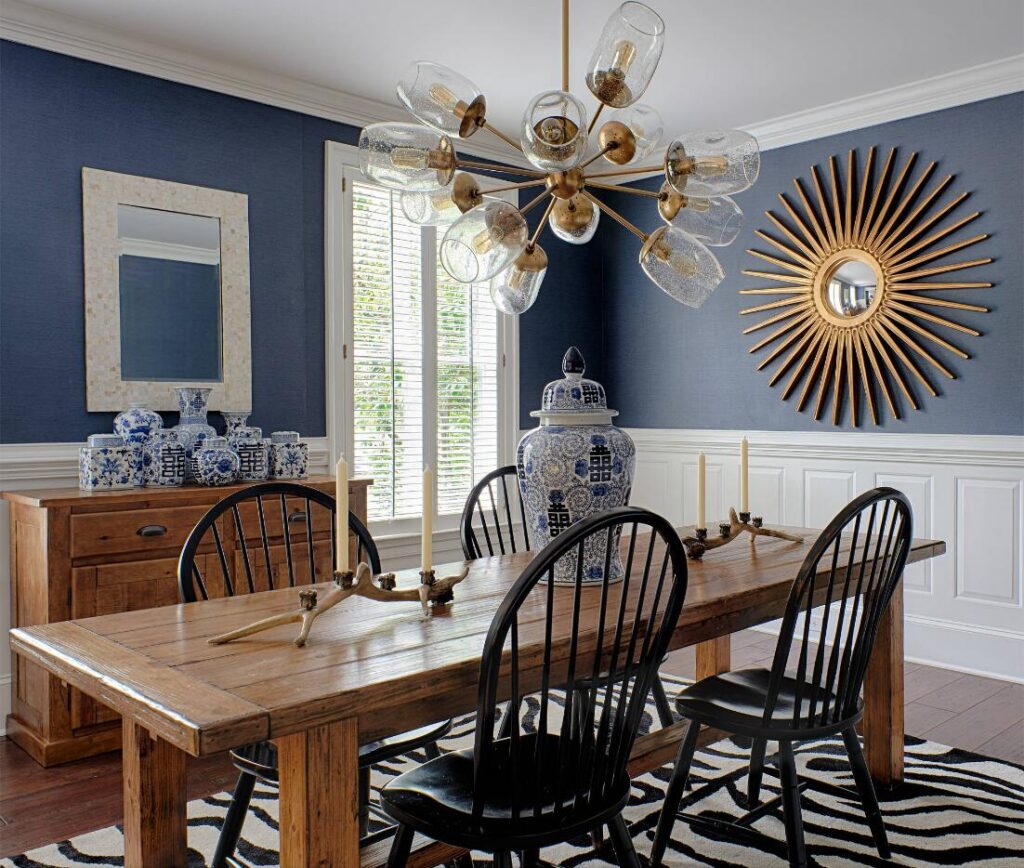
When choosing Modern Ceiling Lights, most people focus on style and brightness, but the diffuser material is just as important. The diffuser is the cover that spreads light evenly and reduces glare. Two of the most common materials used today are acrylic and glass. Each has its own advantages depending on design needs, durability expectations, and lighting performance.
What Is a Light Diffuser and Why Does It Matter?
claxy
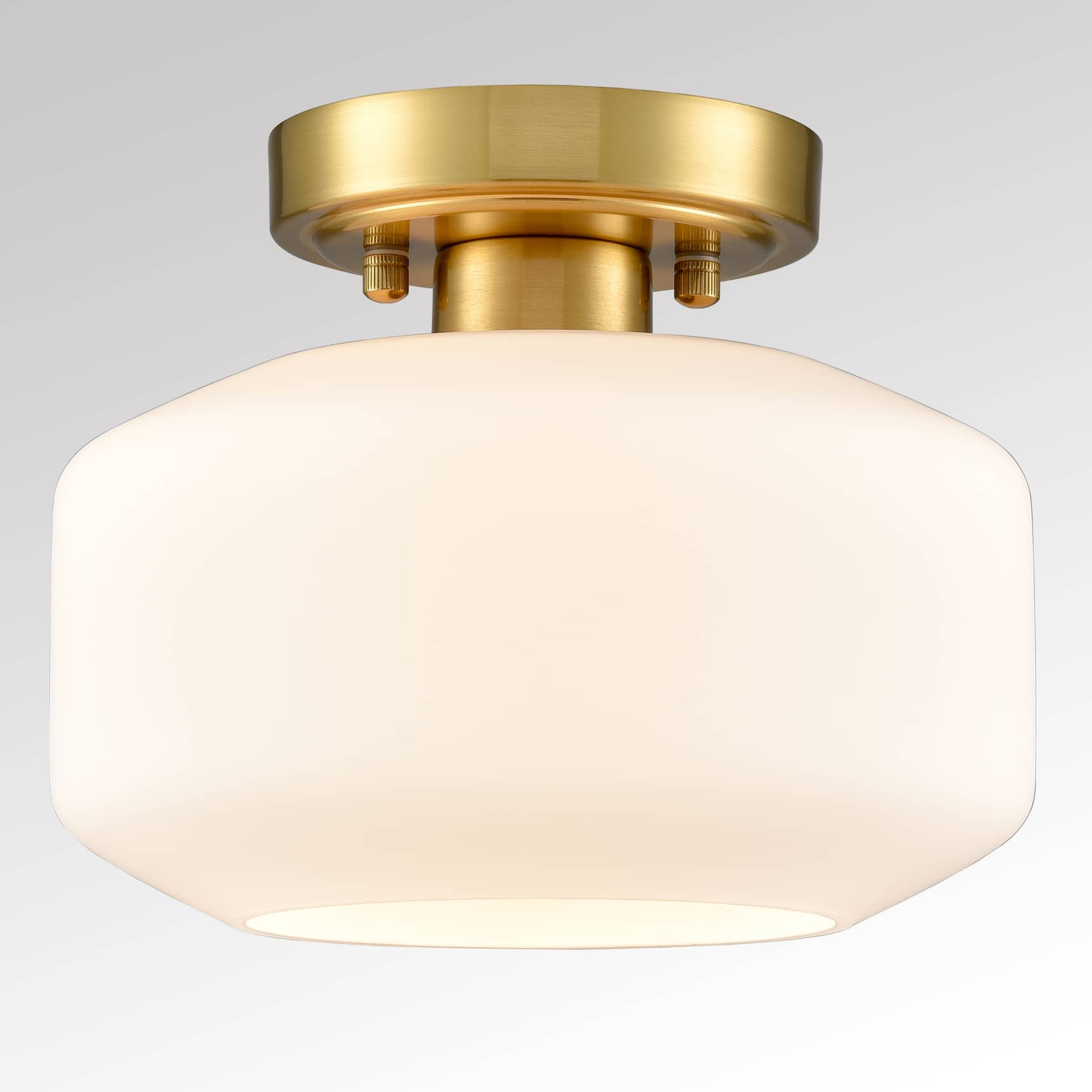
A diffuser helps soften and distribute light, preventing harsh shadows and uncomfortable glare. In fixtures like Semi Flush Ceiling Lights, a well-designed diffuser can make the difference between harsh overhead lighting and comfortable ambient illumination.
The material affects:
- Light transmission efficiency
- Durability
- Weight
- Maintenance requirements
- Overall fixture appearance
Understanding these factors helps homeowners and designers choose the right lighting solution.
Advantages of Acrylic Diffusers
Acrylic, often referred to as PMMA, is a high-performance plastic widely used in modern lighting design. It is especially popular in contemporary fixtures because of its flexibility and impact resistance.
Key benefits include:
Lightweight construction
Acrylic is much lighter than glass, making installation easier and reducing stress on ceiling mounts.
Impact resistance
Unlike glass, acrylic does not shatter easily. This makes it a safer option for homes, especially in areas where durability is important.
Better design flexibility
Manufacturers can mold acrylic into various shapes, which allows more creative designs in Modern Ceiling Lights.
Cost efficiency
Acrylic diffusers are generally more affordable, making them a practical option for large residential projects.
However, acrylic may scratch more easily and can yellow over many years if lower-grade materials are used.
Advantages of Glass Diffusers
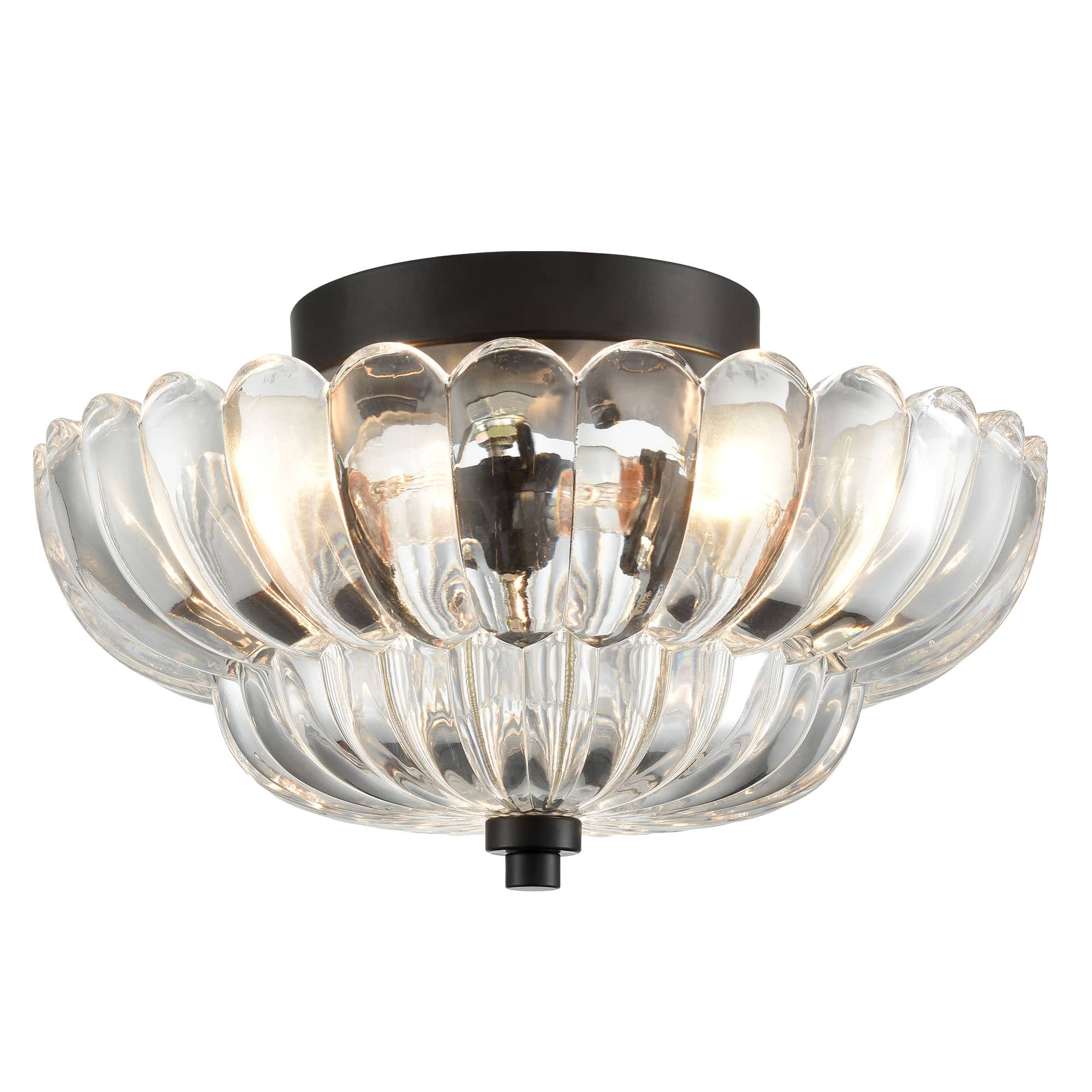
Glass has been used in lighting for decades due to its premium appearance and stable optical properties. Many high-end ceiling fixtures still prefer glass for its clarity and long-term reliability.
Key advantages include:
Superior optical clarity
Glass maintains consistent transparency and does not discolor over time, ensuring stable lighting performance.
Better scratch resistance
Compared to acrylic, glass is much harder and maintains its surface quality longer.
Premium aesthetic appeal
Glass diffusers often give Semi Flush Ceiling Lights a more refined and high-end look, especially in modern or minimalist interiors.
Heat resistance
Glass handles heat better, although this is less critical with LED technology since LEDs generate less heat than traditional bulbs.
The main disadvantages are weight and fragility. Glass fixtures require more careful handling during installation and transport.
claxy
Light Performance Comparison
From a technical perspective, both materials can provide excellent diffusion when properly engineered. Acrylic often uses micro-texture treatments to improve light distribution, while glass may use frosting or etching techniques.
Performance comparison:
Acrylic diffuser advantages:
- Better light diffusion control through engineered textures
- Lower glare in some LED designs
- Lightweight structural benefits
Glass diffuser advantages:
- More stable long-term light transmission
- Higher resistance to environmental aging
- More consistent color performance
In many Modern Ceiling Lights, the difference in actual lighting performance is minimal, and the decision often comes down to durability and design preference.
Which Material Should You Choose?
The best choice depends on your priorities.
Choose acrylic if you want:
- Lightweight fixtures
- Modern design shapes
- Better impact resistance
- Cost-effective lighting solutions
Choose glass if you prefer:
- Premium appearance
- Long-term clarity
- Scratch resistance
- Traditional durability
For most residential applications, both materials perform well when used in quality fixtures.
Both acrylic and glass diffusers play important roles in modern lighting design. Acrylic offers versatility and safety, while glass provides durability and a timeless appearance. When selecting Modern Ceiling Lights, considering diffuser material alongside brightness, color temperature, and fixture design will help ensure the best lighting results for your space.
By understanding these material differences, buyers can make more informed decisions and select ceiling lighting that balances performance, design, and long-term value.